
Our Clients in the News
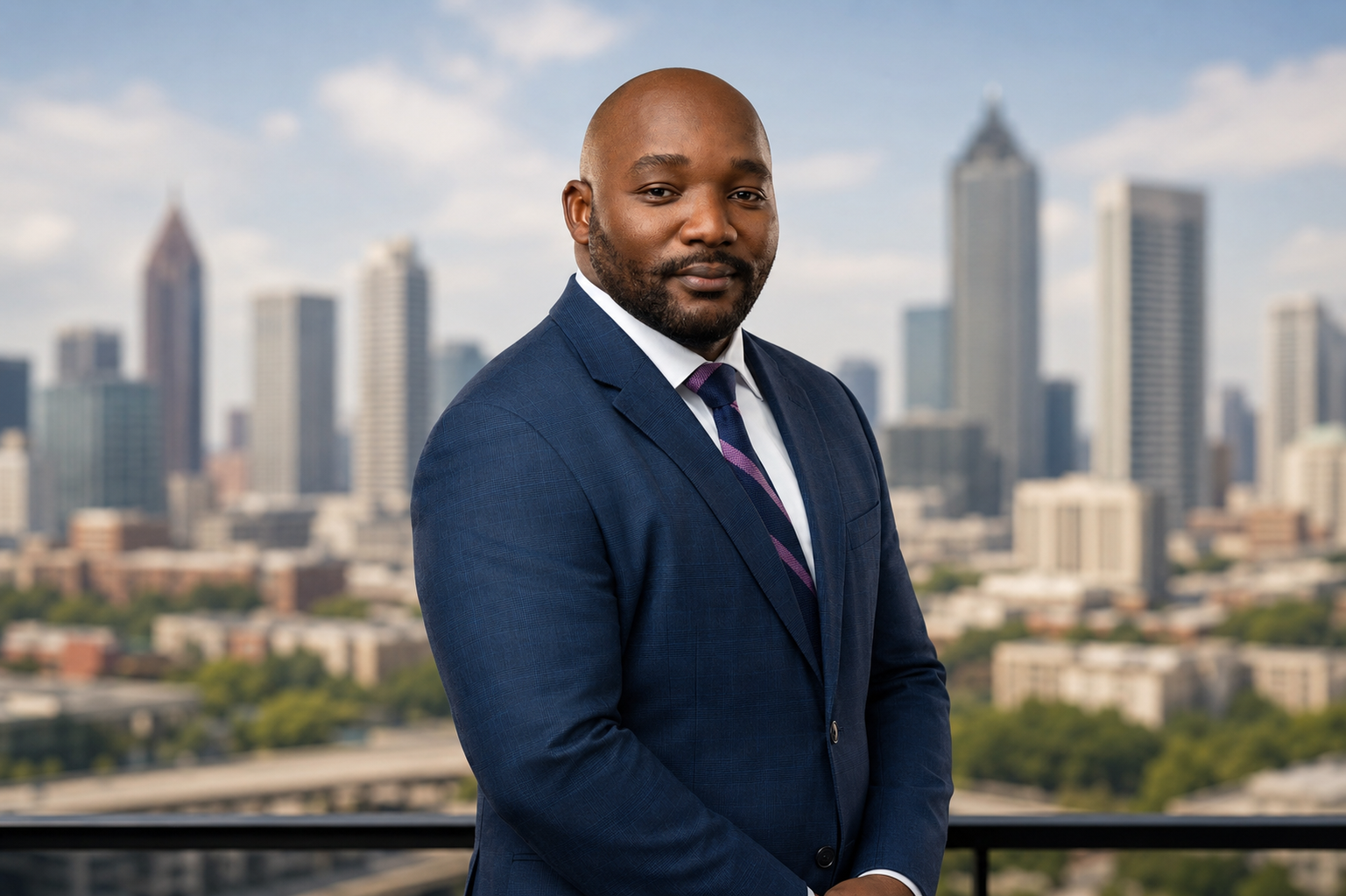
Atlanta Land Trust (ALT), a non-profit and community land trust dedicated to preserving permanent affordable homeownership opportunities throughout metro Atlanta, appointed David Ogunsanya as its new executive director. A longtime leader in the community land trust movement, Ogunsanya brings more than 15 years of experience creating and preserving permanently affordable homeownership opportunities in communities across the country.
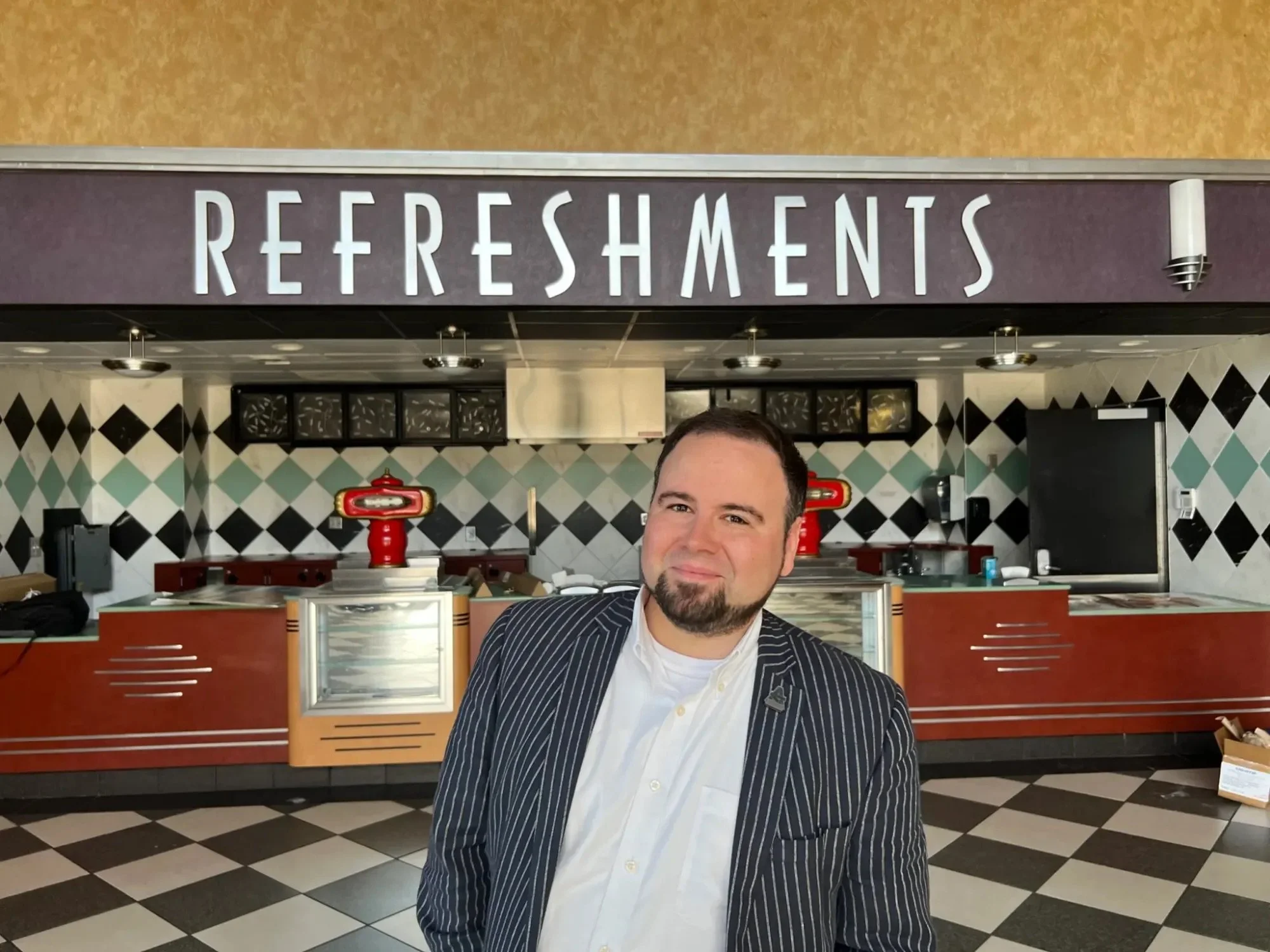
Chris Escobar, Executive Director of Atlanta Film Society and co-owner of the Plaza Theatre and the Tara Theatre, has taken over management for the three-screen historic Capitol Theater in Cleveland’s Gordon Square Arts District. The theater opened in 1921 closed in the 1980s. It reopened in 2009, as a small all-digital movie theater owned by a nonprofit. But last year, the theater announced it was struggling and needed to find a new approach, that’s where Escobar comes in to share the approach he’s built in Atlanta.

Nonprofit leaders are increasingly burned out at the exact moment philanthropy is asking them to take on more complex systems-level collaboration like shared advocacy campaigns, shared services, or coordinated data collection. The interest in ecosystem-level work is not coming from nowhere. Purpose Possible’s Director of Strategic Philanthropy and CEO of Arts Capital | Atlanta, Laura Hennighausen, shares insights into how Arts Capital | Atlanta has managed collaboration, shared advocacy, pooled resources, and coordinated strategy to achieve stronger outcomes across the Metro Atlanta Arts sector and why philanthropy must treat collaboration as infrastructure worthy of investment.
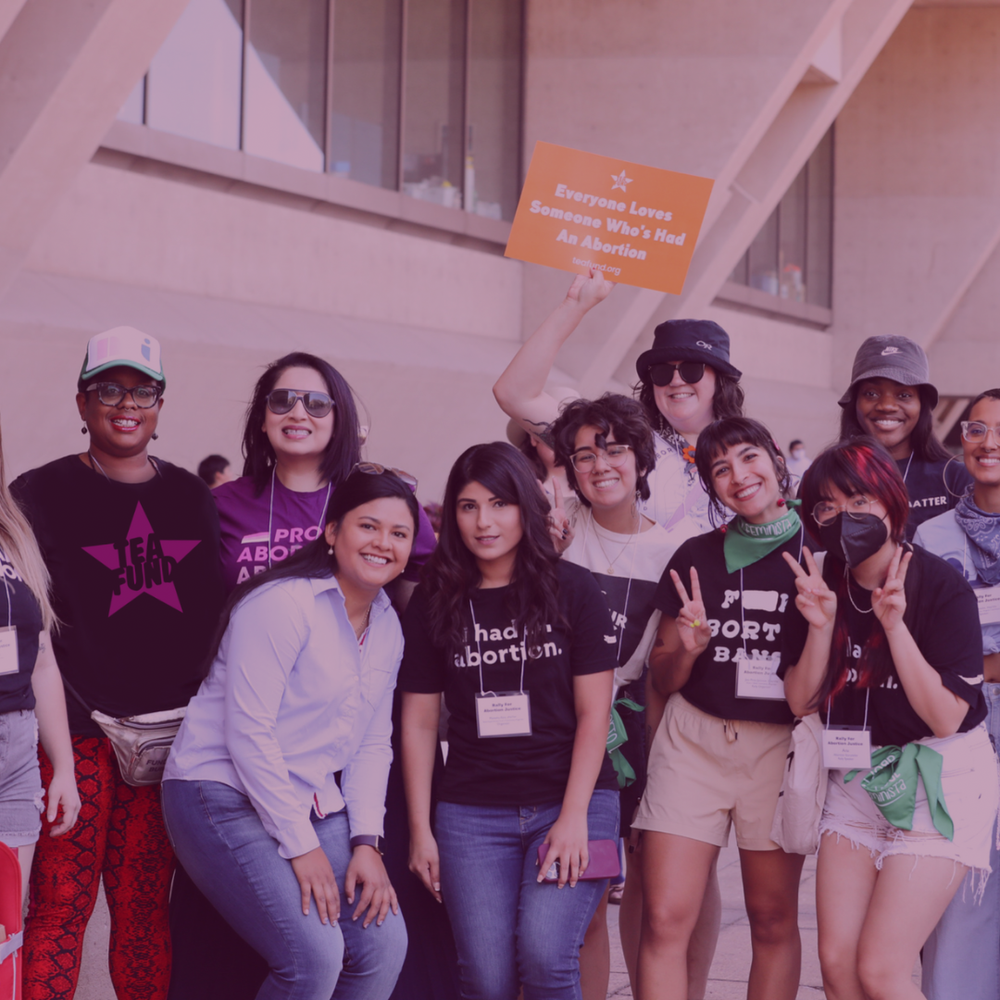
Grande launched The Brighter Days Ahead Foundation with a mission to uplift and directly fund small organizations that provide protection, support, and vital resources for vulnerable communities. In Austin she spotlighted three charities, including Texas Equal Access (TEA) Fund which offers both financial and emotional support to individuals in North & East Texas who lack the means to access abortion and other reproductive care.
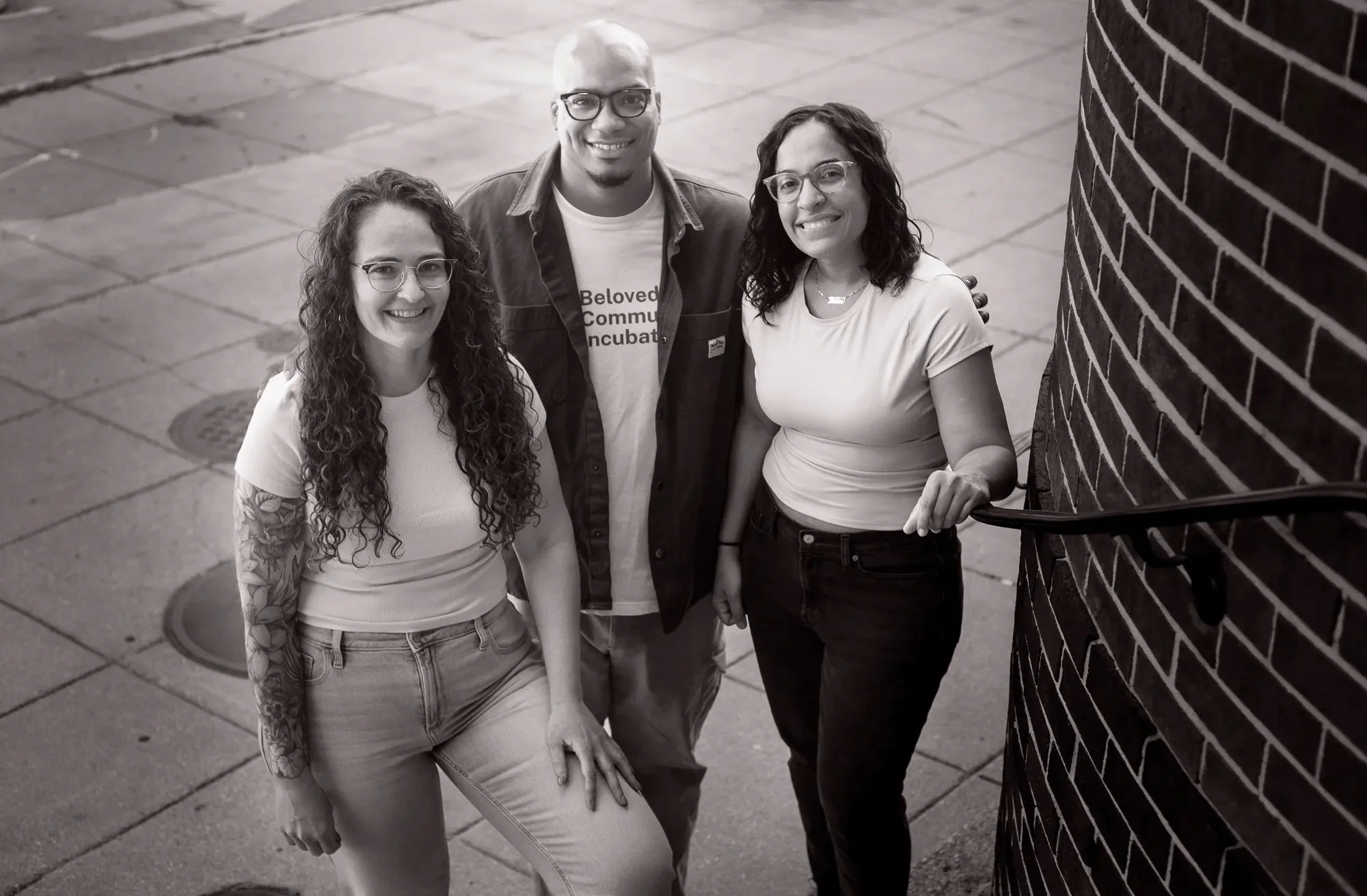
Ten years ago, community organizers Kristen Kane and Bianca Vazquez created Beloved Community Incubator, an organization that aims to foster a regional solidarity economy based on democratic, collective ownership and community accountability instead of profit-maximizing incentives. Today, amid widespread economic pressure, solutions may seem to be outside of the hands of everyday people. But the cooperative “one member, one vote” model is designed to give workers a say over what happens in their places of employment and their communities. BCI aims to help workers control their own destiny by building economic power through cooperative business ownership, access to non-extractive capital, and network-based support. Since its inception, BCI has grown to support a network of more than 30 cooperatives and has deployed more than $3 million and 2,000 hours in direct assistance, according to Kane.
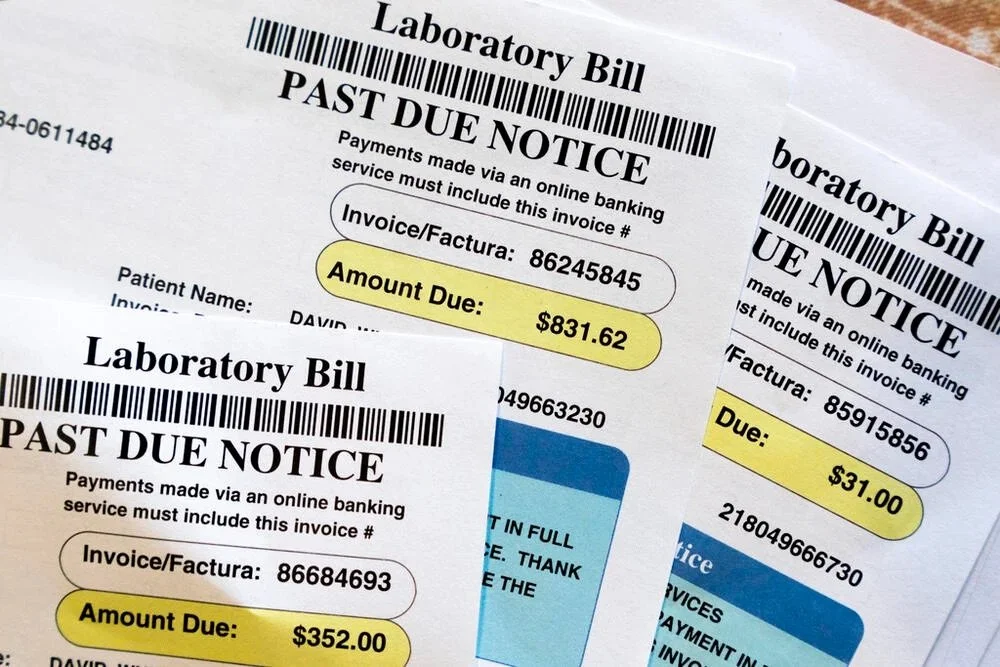
Georgia has twice as much medical debt as the rest of the country. From 2025 to 2026, Georgians who bought their own health insurance through Georgia Access saw their premium costs rise by 114% on average. The “One Nation, Overcharged” movement involves 140 organizations for healthcare advocacy, civil rights and racial equity from across the state and nation to demand healthcare reform and make it impossible to ignore for both our state and federal leaders, said Laura Colbert, executive director of Georgians for a Healthy Future. The "One Nation, Overcharged" campaign will bring panels and social events to Atlanta, Savannah and other parts of Georgia this summer. Georgians for a Healthy Future Georgians partners with advocates, communities, and consumers to lead policy change that advances health equity for all Georgians.
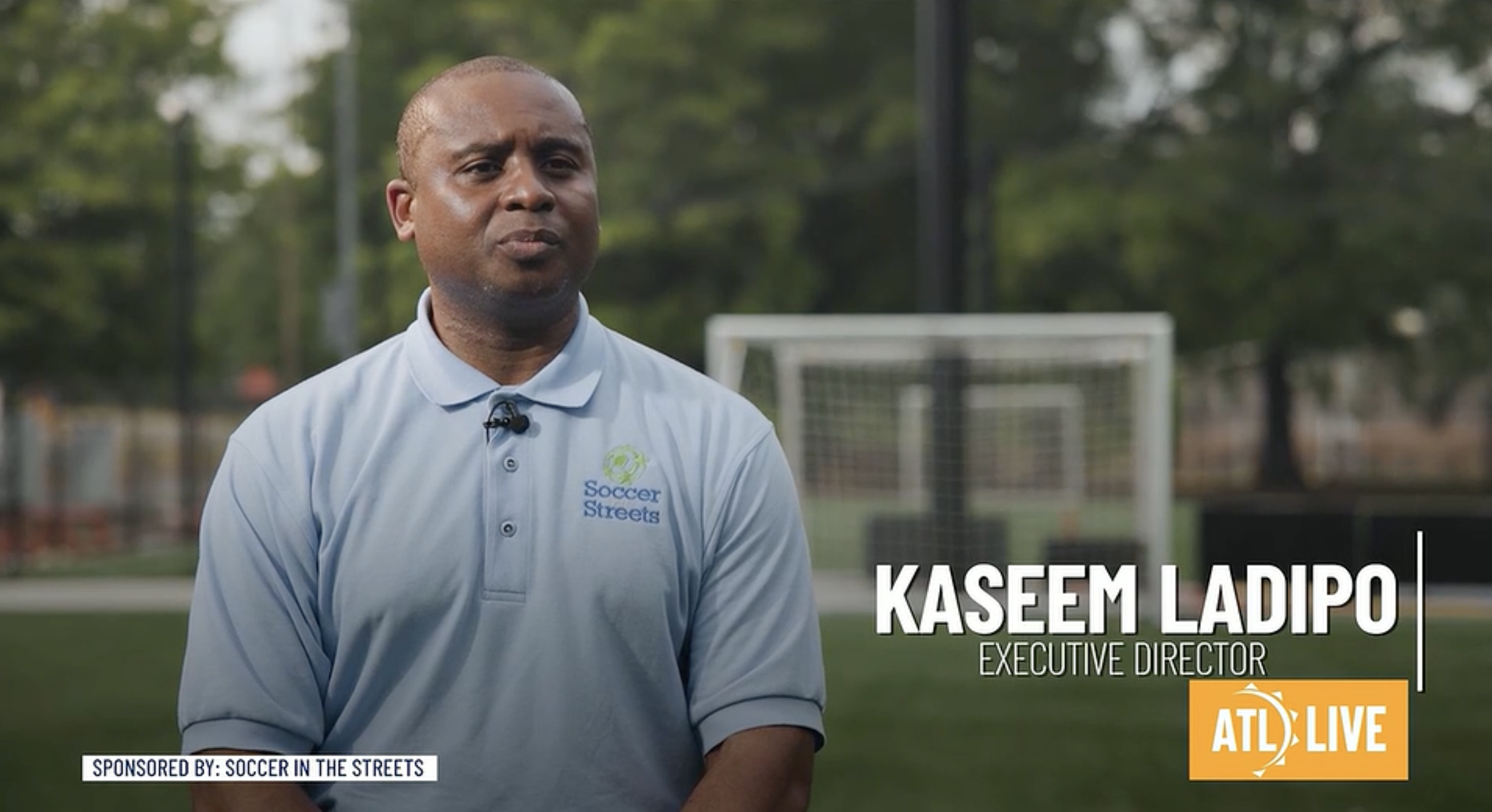
Soccer in the Streets brings the game to neighborhood MARTA stations around Atlanta. They build community through accessibility and a level-playing field for all. Soccer in the Streets currently has 6 StationSoccer locations operating at Five Points, West End, East Point, East Lake, Kensington, and Lindbergh MARTA stations.
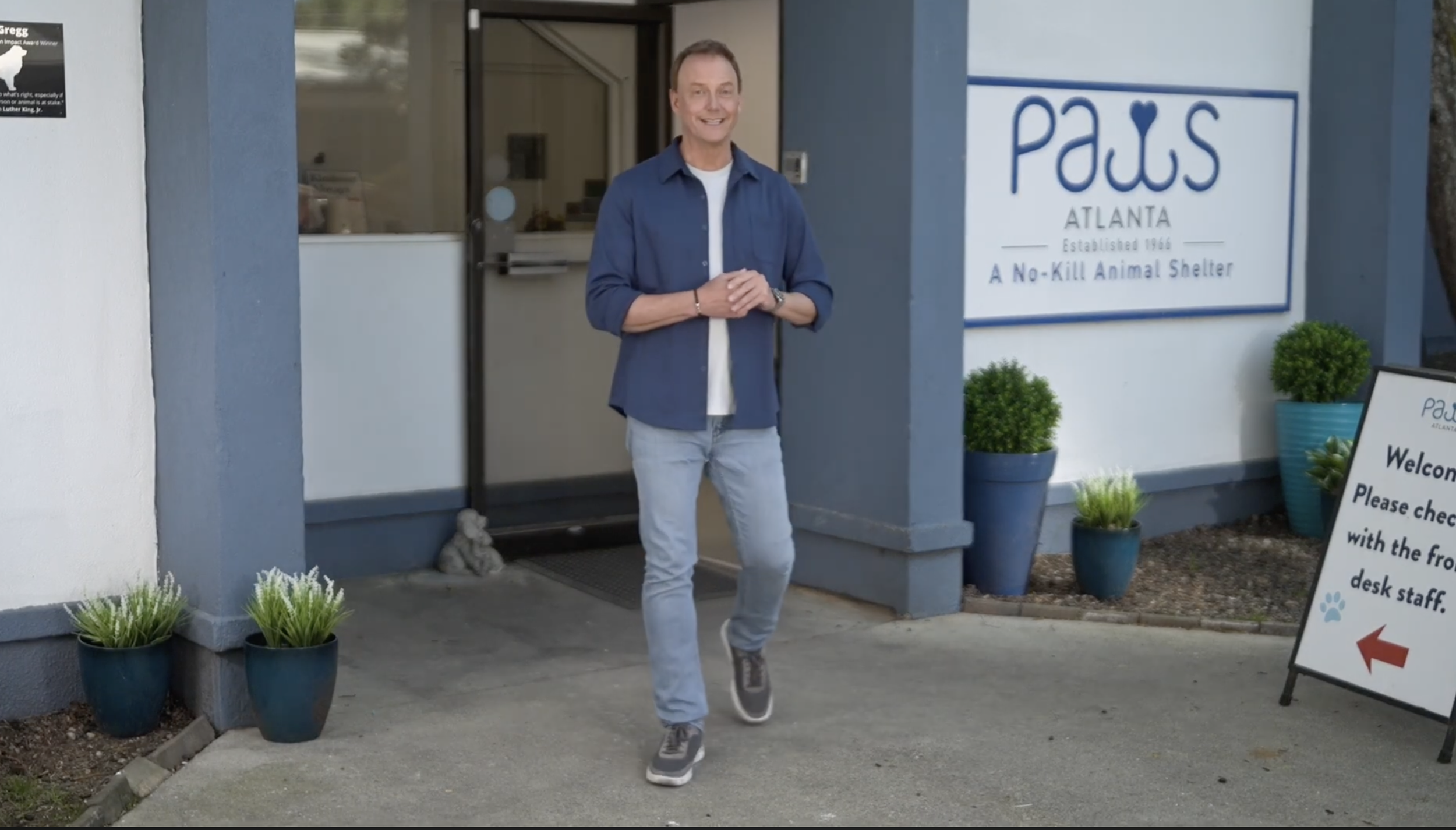
PAWS Atlanta gets a shelter makeover on ABC’s Home for Good! For over 60 years, PAWS Atlanta has provided shelter and compassionate care for animals in need, working around the clock to help them find forever homes. Now, Art and the team give back by renovating key spaces in their shelter to create a warmer and more functional environment for both the animals and the dedicated staff who care for them.
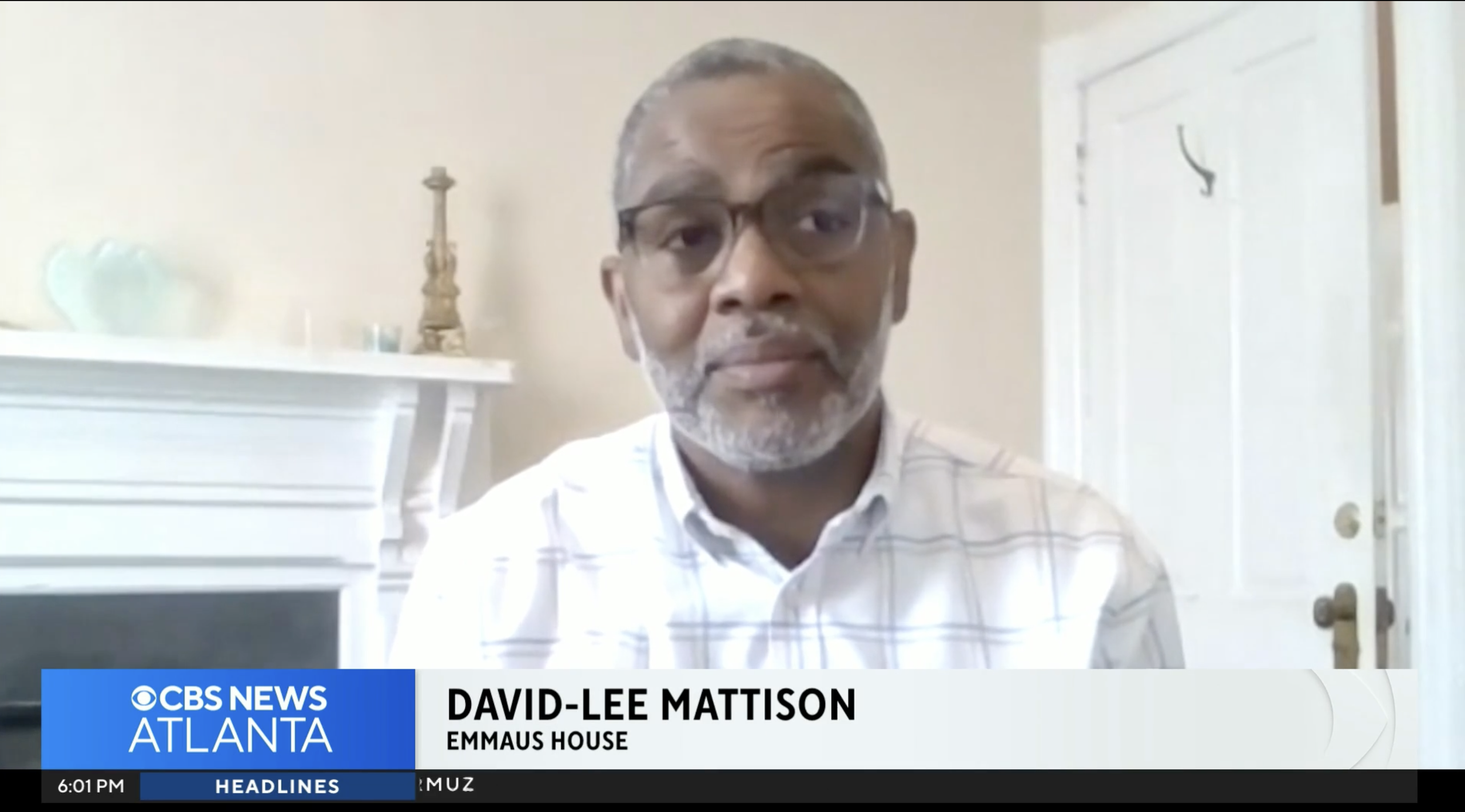
As the federal government shutdown stretches past a month, unpaid TSA officers at Hartsfield-Jackson Atlanta International Airport receive vital assistance to help them navigate mounting financial hardships. Emmaus House has been providing mortgage and utility assistance to struggling families in South Atlanta for over 59 years.
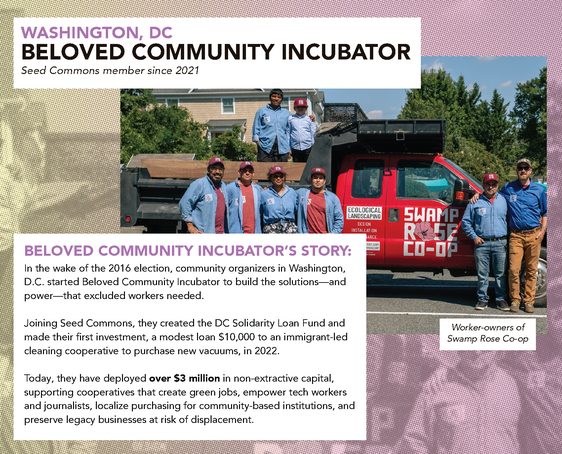
BCI in Washington, DC for is featured on page 12 as one of the top and fastest growing worker cooperative organizations in the country!
BCI helps workers and communities build economic power through cooperative business ownership, access to capital, and network-based support.
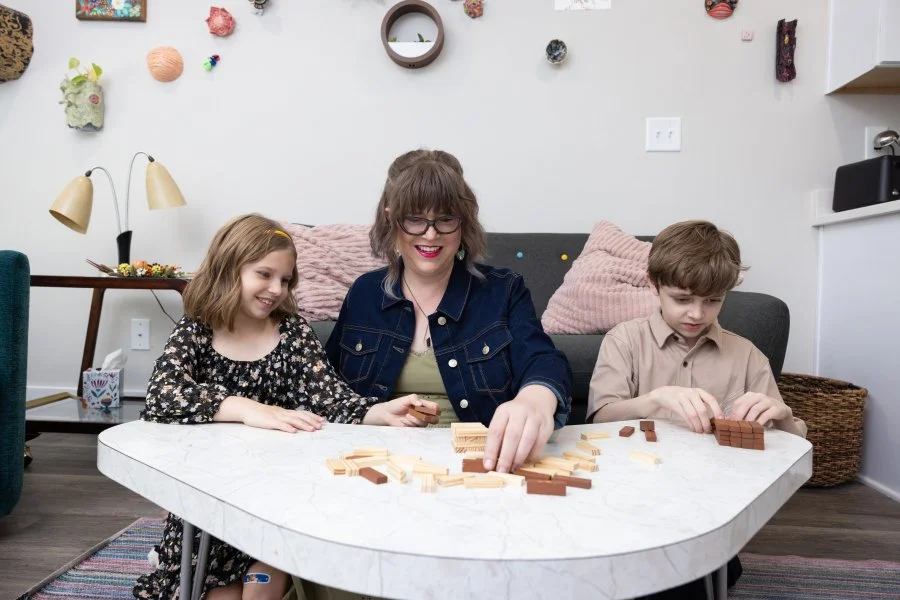
Erin, an Atlanta Land Trust homeowner, shares her journey to homeownership with the Community Foundation for Greater Atlanta. A coworker told her about the Atlanta Land Trust, which uses the community land trust model to sell homes affordably while keeping land in trust – preventing displacement and ensuring long-term affordability.
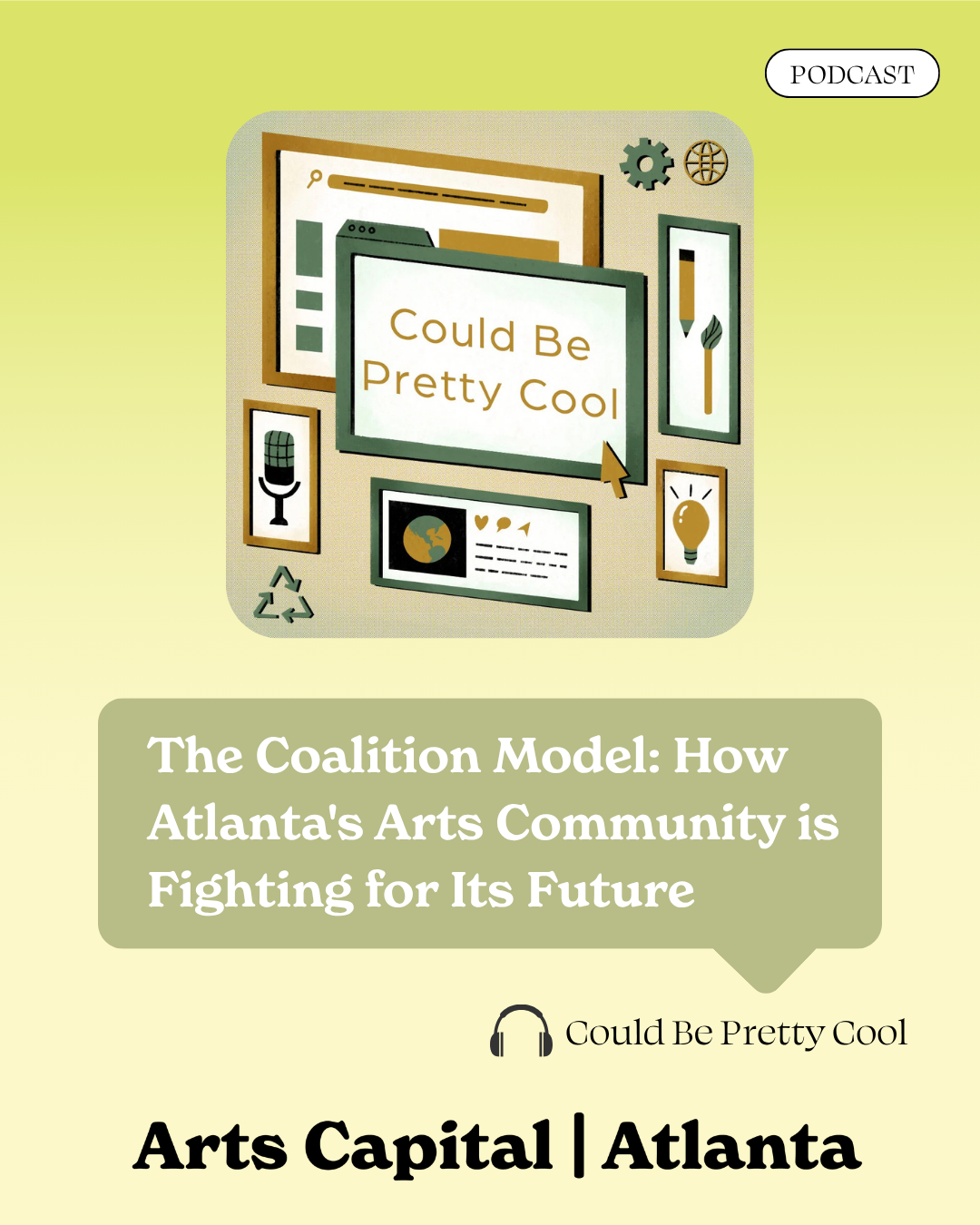
Laura Hennighausen, CEO of Arts Capital Atlanta, joins the Could Be Pretty Cool Podcast to talk about building a collective front of arts organizations across Metro Atlanta that can better advocate together for increased funding.
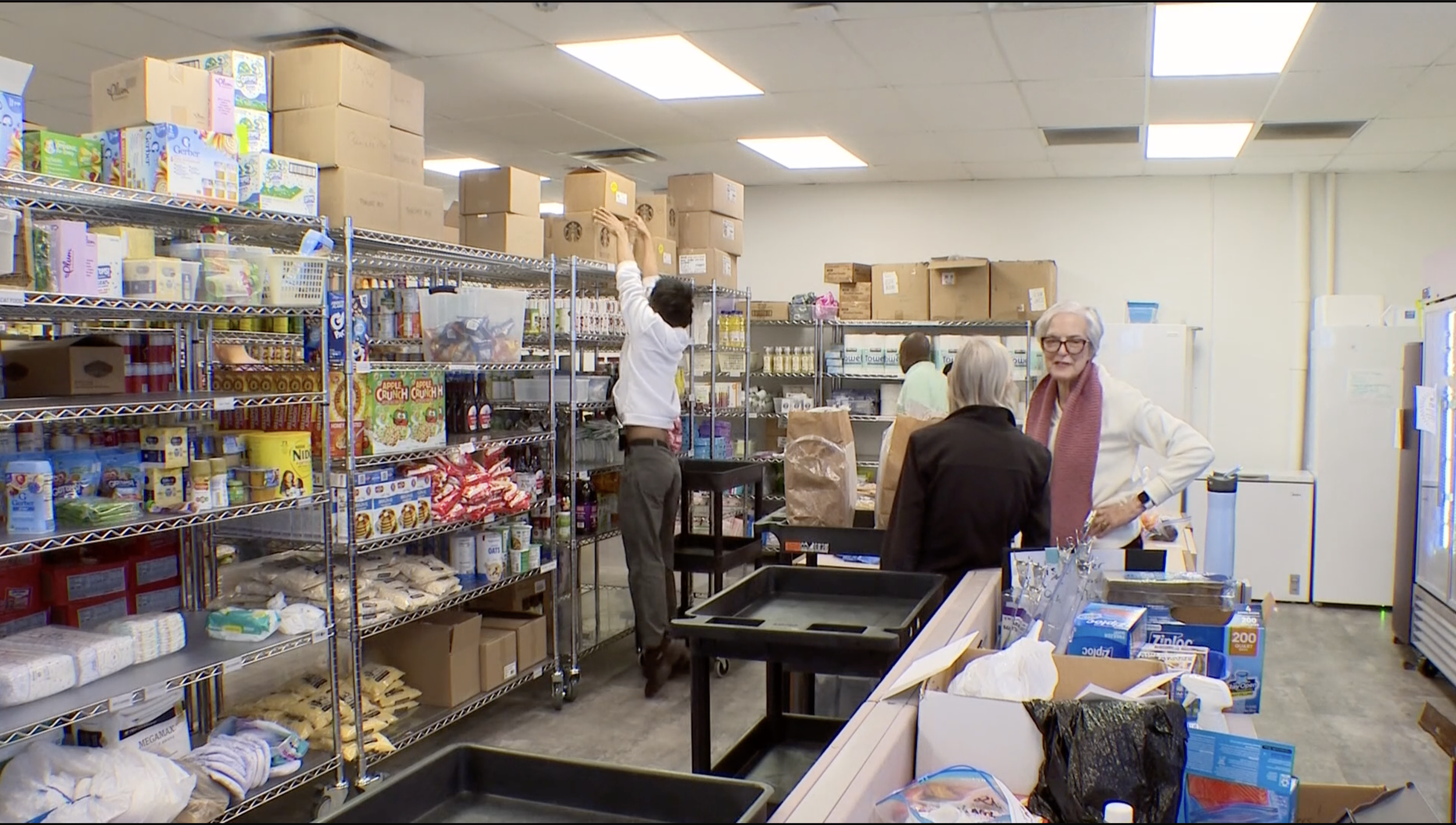
Midtown Assistance Center helps families avoid eviction, keep the lights on, and put food on the table. The nonprofit has served as a lifeline for 40 years for folks living in Atlanta, providing food, clothing, rental and utility assistance.
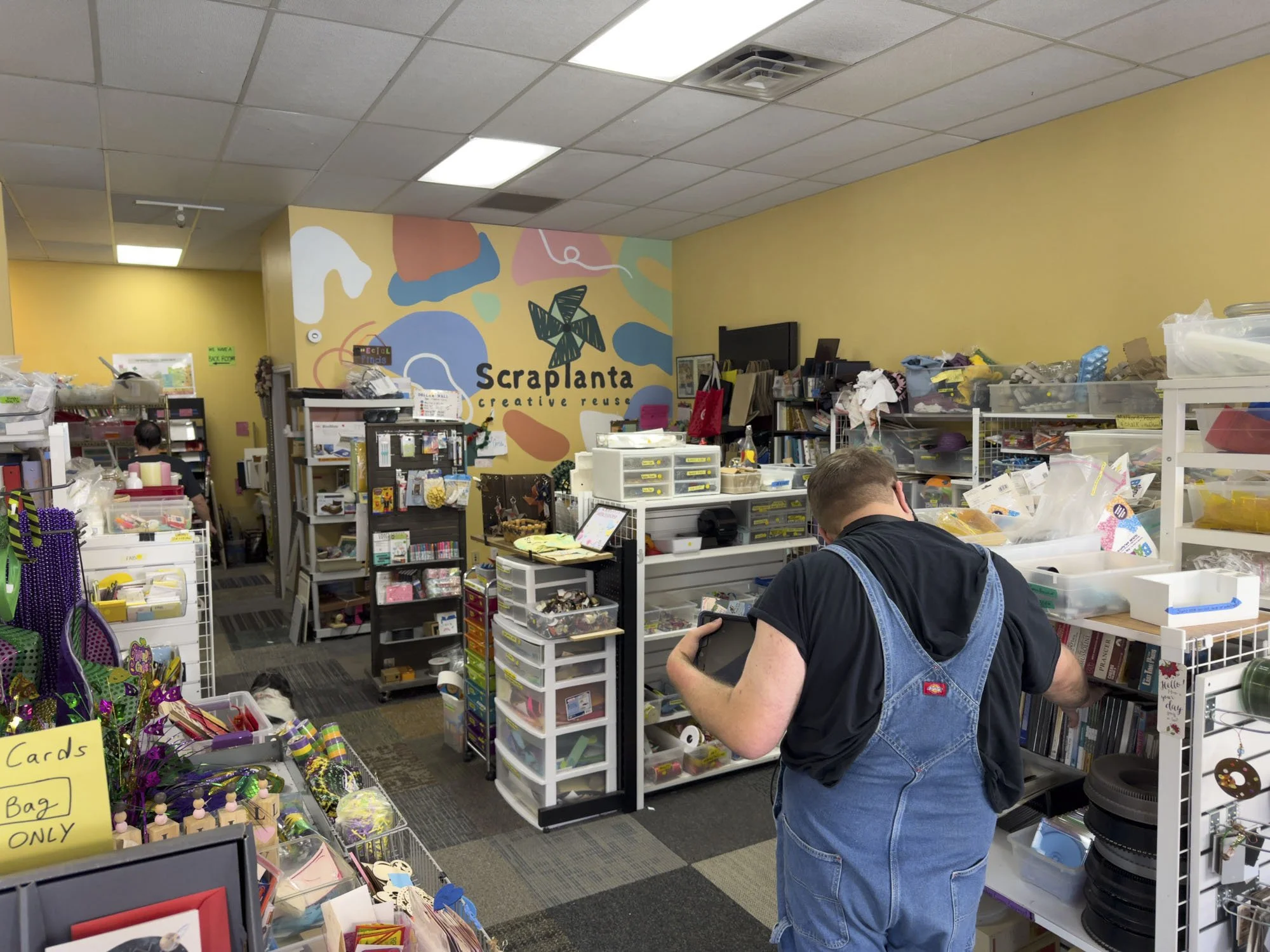
Unlike other makerspaces, Scraplanta does not have an always-open workroom. Rather, its art-supply thrift stores. Donations of every imaginable art material, from framed canvas to cardboard tubes, are weighed, logged and then stocked. Prices on its products range from half MSRP to fill-a-bag: $10 for an IKEA tote; a dollar for a ziploc. According to Symone Gaskin, Scraplanta’s community coordinator, the idea is to make creating art more accessible to underrepresented groups.
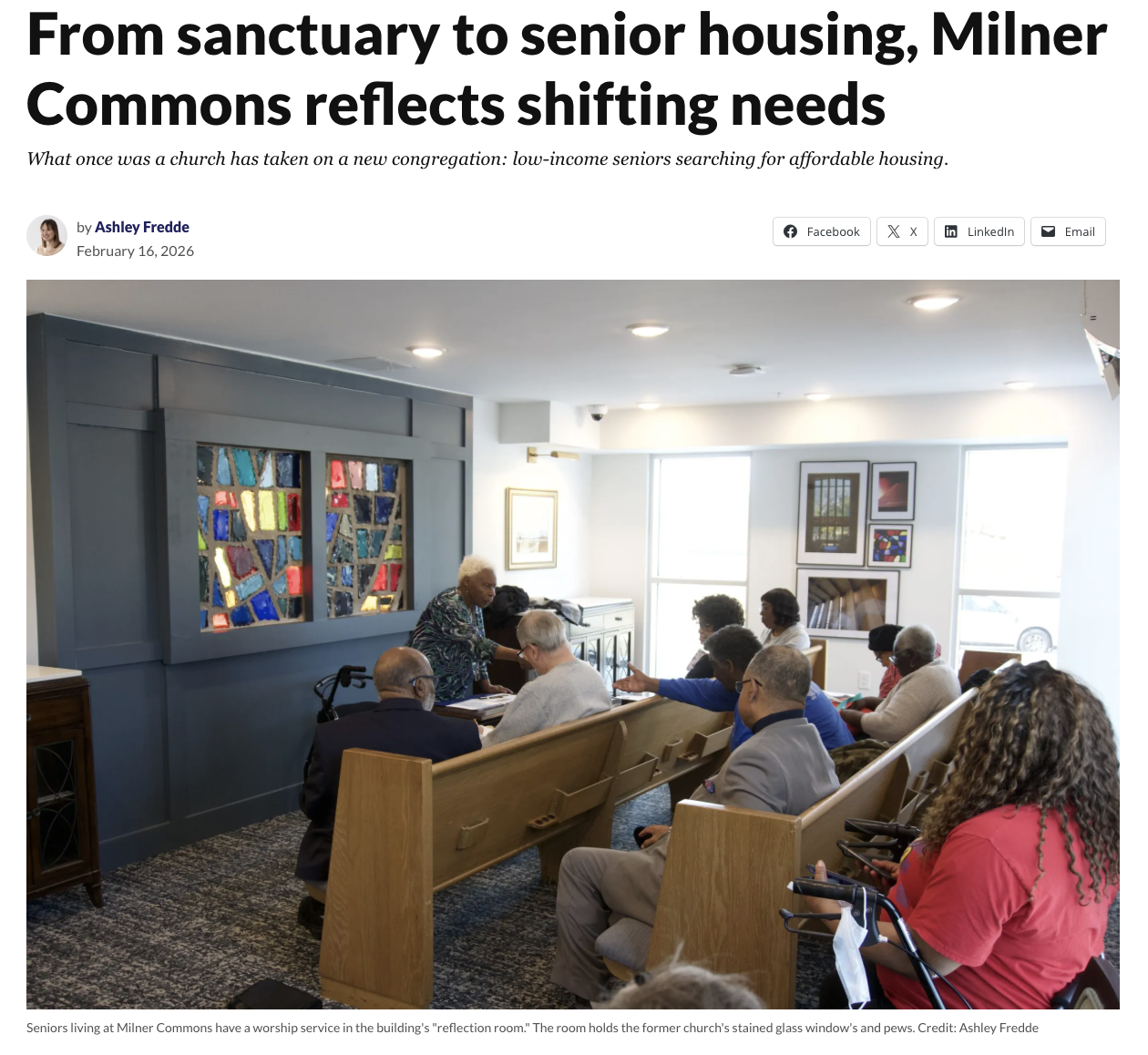
DHIC was recently featured in North Carolina Health News for their work in turning an unused former church building into affordable housing for seniors.
DHIC supports individuals, families, and seniors by providing homes and opportunities that promote the financial, physical, and mental well-being of people and communities.
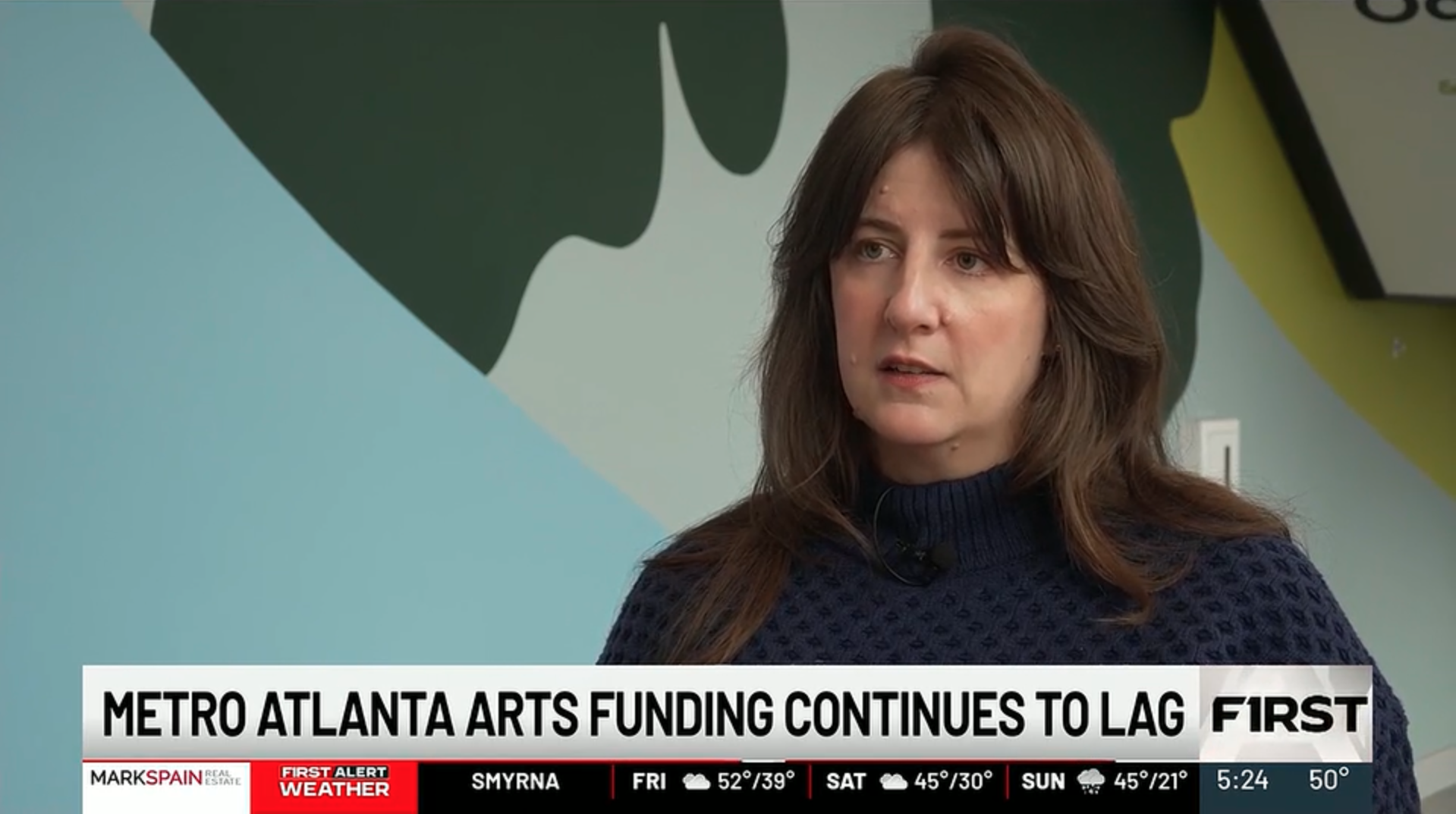
Laura Hennighausen, CEO of Arts Capital | Atlanta, speaks with Atlanta News First about the consistent lack of funding for the Arts in Atlanta, as well as ongoing changes in funding preferences and new requirements from grantors.
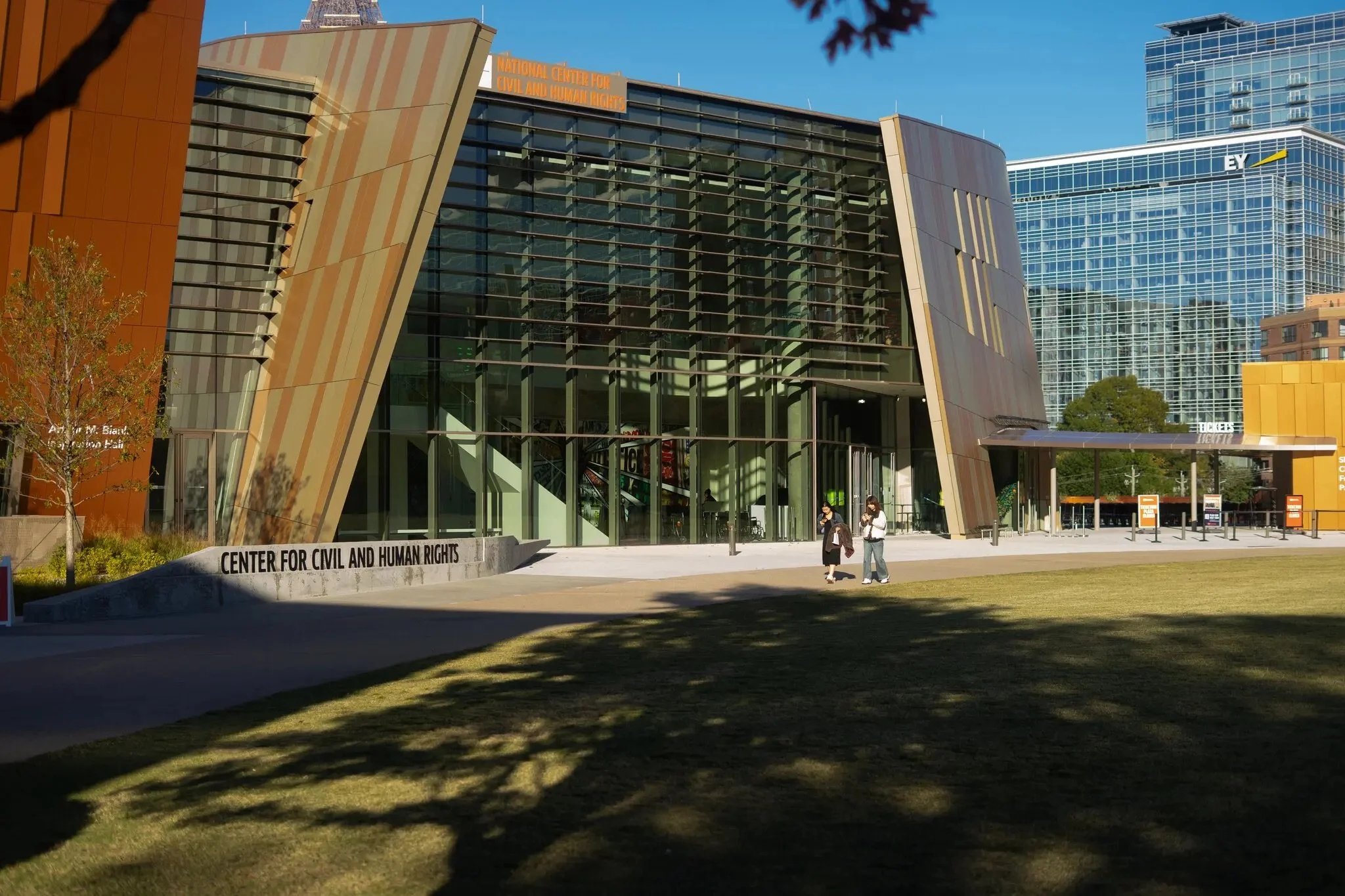
The National Center for Civil and Human Rights is expanding its exploration of the country’s racial dynamics despite a surge of government resistance. It is not lost on the center’s leaders that a museum devoted to the push and pull of the country’s fitful civil rights history is reopening at a moment when President Trump has used the force of the federal government to dismantle diversity programs and promote a sunnier version of America’s story.
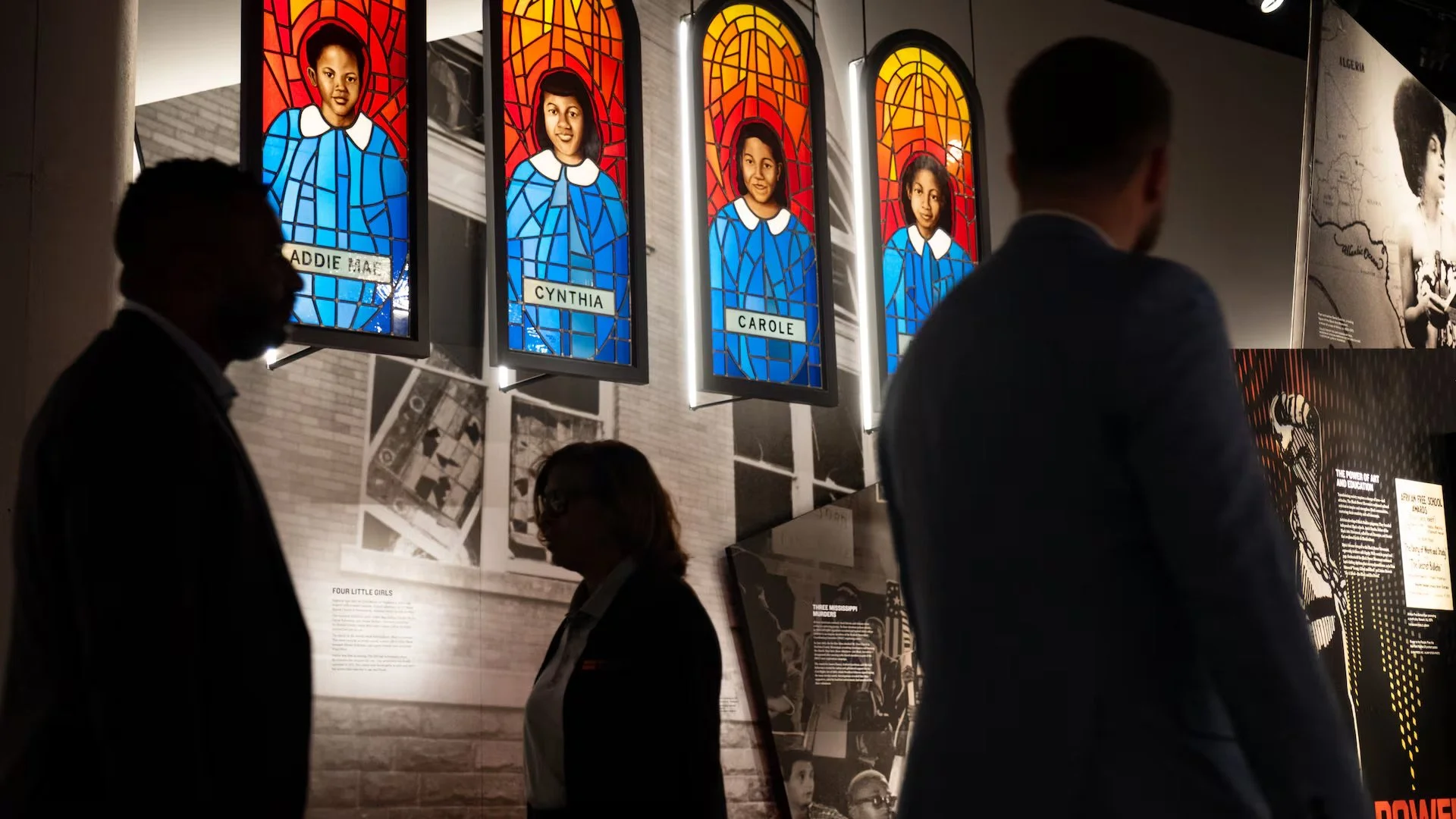
With new wings, redesigned exhibits, and a focus on children, the National Center for Civil and Human Rights is back as both memorial and classroom. After being closed since January for renovations, the center will feature four new spaces with exhibits changing twice a year, offering visitors a deeper dive into civil and human rights stories.

The last day of the month is usually when food is scarcest for people who rely on the Supplemental Nutrition Assistance Program (SNAP), aka food stamps. However, a new collaborative effort to open a mobile food pantry between St. Paul’s and Emmaus House served 205 families on Oct. 31st, representing 525 people receiving fresh and packaged produce, protein, and canned goods. Their first distribution together became even timelier because the federal government stopped SNAP payments on Nov. 1.
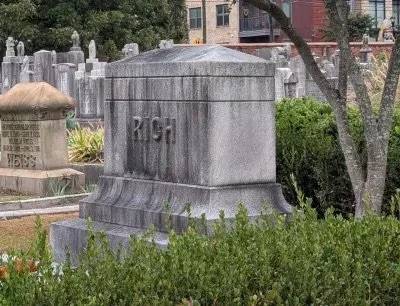
In the week leading up to Halloween and Día de los Muertos, members of the Corporate Volunteer Council of Atlanta (CVC) gathered at the Historic Oakland Cemetery to learn about significant change makers laid to rest there. "RIP (Rest in Philanthropy)” as the annual event is called, guides attendees through stories of leadership shaped by volunteers, mentors, advocates, philanthropists and elected officials who answered the call when their city and neighbors needed them most.

The American Planning Association has awarded a 2025 Advancing Diversity and Social Change in Honor of Paul Davidoff Award to The Clarkston Greenway Feasibility Study which explored different path locations to better connect residents to different parts of town and create a more walkable and livable community. The study centers the voices of at-risk and historically overlooked residents in one of the nation's most diverse cities to prioritize access to nature, health, and mobility. The thoughtful placement of the greenway enhances access and connectivity to schools, transit stops, retail, and health clinics.

A temporary hub for contemporary arts will soon rise on the western edge of Georgia Tech’s campus, a prelude of sorts for an expansion of the campus dedicated to creative arts and industry.
“Loop,” as the space has been named, will bring art installations, performances and immersive events to the 7-acre former Randall Brothers manufacturing site in west Midtown. It will be operated by the Goat Farm Arts Center in conjunction with GT.
Georgia Tech envisions building a hub where new technologies for producing art are developed, shared and experimented with, akin to the innovation districts it has built for life sciences and technology.

The annual ULI Awards honor development projects across the state for their exceptional vision, leadership, and lasting impact on Georgia’s built environment. Atlanta Land Trust won the Affordable and Workforce Housing Award for The Avenue at Oakland City. The Avenue is a 36-townhome development providing affordable for-sale housing within walking distance of the Oakland City MARTA Station and the BeltLine Westside Trail. The Historic District-approved design features five, two-story, multifamily buildings with front porches and alternating principal roof forms of front-facing gables and shed roofs. Significant infrastructure upgrades eliminate flooding on the site from combined sewer overflows. Developers also installed new water and sewer infrastructure under Tucker Avenue and repaved the street.

The city of Minneapolis is nominating the Minnesota Spokesman-Recorder, the Phyllis Wheatley Community Center and the former home of civil rights advocate Harry Davis, Sr. to the National Register of Historic Places. The Phyllis Wheatley Community Center has been providing community programs and services for 100 years in north Minneapolis. It opened in 1924 when young Black women who were barred from the dorms at the University of Minnesota raised funds to open a settlement house.

Annually, the September issue of Atlanta Magazine centers on The Arts. This feature story details the day-to-day challenges arts organizations are facing in the wake of ongoing funding cuts. Hear from Mack Headrick, managing director of 7 Stages; Laura Flusche, executive director of Museum of Design Atlanta; and Christopher Escobar, Atlanta Film Festival. Plus learn more about how they’re banding together through Arts Capital | Atlanta.

With two new wings, the 24,000-square-foot expansion of the National Center for Civil and Human Rights will re-open November 8 after being closed to visitors since January.

Dragon Con organizers say they intentionally chose mental health as this year’s focus for their massive annual fundraising campaign. In 2024, Mental Health America ranked Georgia 47th out of 50 states for access to mental health care. In response, NAMI Georgia has been working to close the gap.

Pro Bono Partnership of Atlanta’s Executive Director, Rachel Spears, was selected to receive a Distinguished Service Award form the Atlanta Bar Association, one of the bar’s highest honors.

Laura Hennighausen, Director of Strategic Philanthropy at Purpose Possible and CEO of Arts Capital | Atlanta (AC|A) speaks with the Good2Give Podcast form the Community Foundation for Northeast Georgia (CFNEG) about why the collaborative started and how its addressing the urgent need for arts funding in the region.

The Giving Gap from WSB-TV Channel 2 highlights the work of local non-profits and the recent challenges they face in the wake of Federal funding cuts. Midtown Assistance Center shares their mission and how they’re concerned about the future of food assistance programs.